

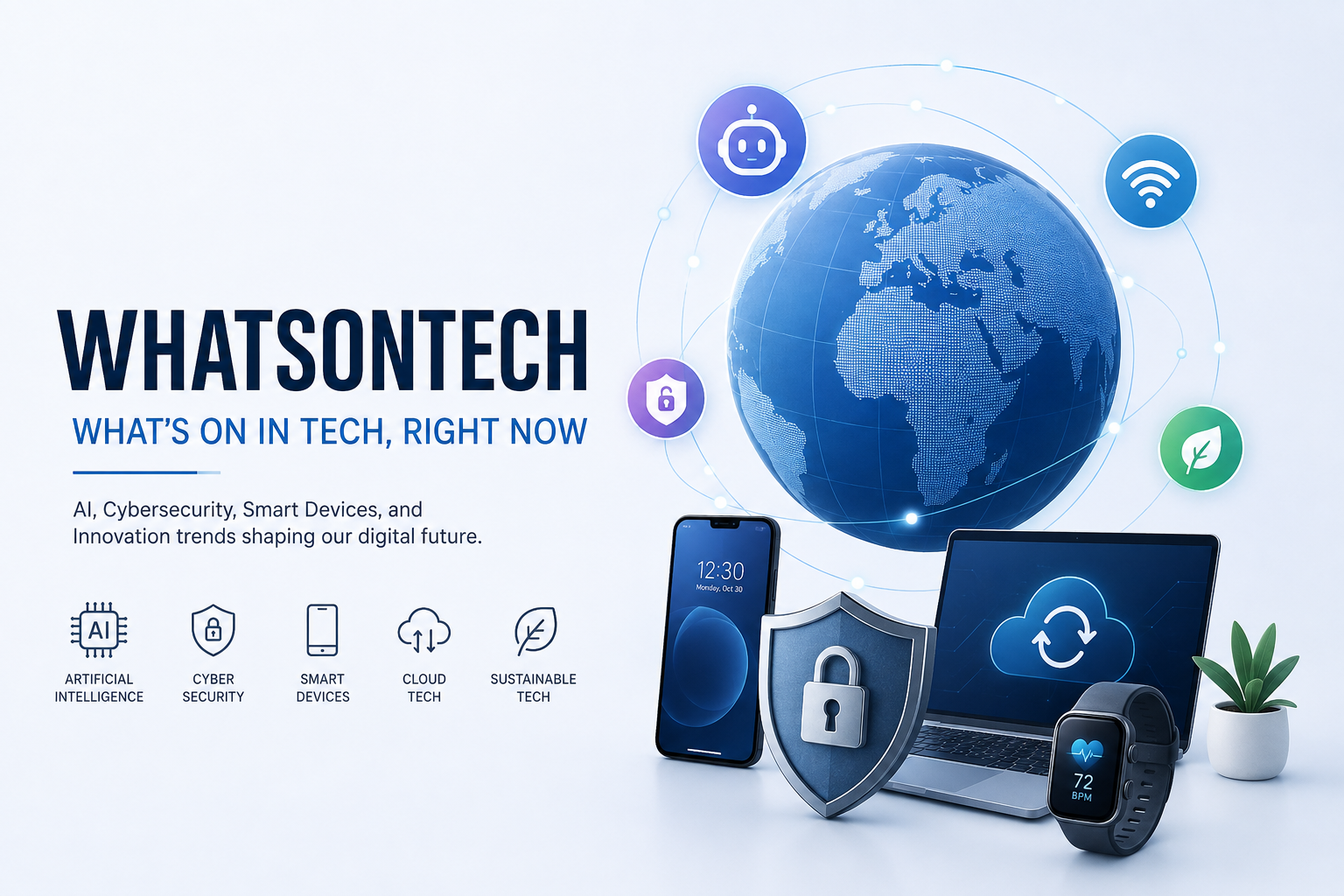
Technology no longer moves in slow, predictable steps. It moves in leaps, and keeping up with those leaps has become a full-time job for businesses, students, and everyday users alike. That is exactly the space that WhatsonTech occupies — a way of asking, at any given moment, what is actually happening in the world of technology that matters to real people. This article walks through the major forces currently shaping that world, why they matter, and where things seem to be headed next. For more day-to-day coverage of these same shifts, you can always check the latest breakdowns on Techpostify, which tracks these developments as they unfold.
Why “What’s On in Tech” Is Worth Paying Attention To
A few years ago, technology news was mostly a niche interest. Today, it touches almost every decision a person or business makes — from the phone in your pocket to the way a small shop manages its inventory. When people search for WhatsonTech, they are usually not looking for dry technical specifications. They want context: why a new tool matters, how a change in policy affects them, or whether a trending gadget is actually worth the hype. That shift in intent is important, and it is why coverage of technology has moved away from pure spec sheets toward more practical, real-world explanations.
This also explains why platforms that focus on accessible tech commentary, rather than jargon-heavy reporting, have grown so quickly in popularity. Readers want to understand the “so what,” not just the “what.”
Artificial Intelligence Is Still the Center of Gravity
It would be dishonest to talk about current technology trends without starting with artificial intelligence. AI has moved from research labs into everyday tools with remarkable speed. Writing assistants, customer service bots, image generators, and coding helpers are now built into products that ordinary people use daily, not just specialists. What makes this moment different from earlier AI hype cycles is adoption at scale — companies of every size are experimenting with these tools, not just tech giants.
That said, the conversation around AI has matured. Early excitement about “AI can do anything” has given way to more grounded discussions about accuracy, bias, data privacy, and the actual return on investment for businesses adopting these systems. Organizations like the World Economic Forum regularly publish research on how AI is reshaping labor markets and industries, and that kind of independent analysis is a useful counterweight to marketing claims made by individual tech companies. Readers researching WhatsonTech topics increasingly want this balanced view — enthusiasm paired with a realistic sense of the limitations.
Smartphones and Wearables Keep Redefining “Personal” Tech
Smartphones are no longer just communication devices; they are the primary computer for a large share of the world’s population. Camera systems, on-device processing, battery efficiency, and integration with other devices have become the real battlegrounds between manufacturers, more so than raw specifications. Meanwhile, wearables — smartwatches, fitness rings, and health trackers — have quietly become one of the fastest-growing categories in consumer tech, largely because they tie into something people care about deeply: their own health data.
This is where personal technology and healthcare are beginning to overlap in meaningful ways. Continuous health monitoring, once limited to hospitals, is increasingly available on a wrist. That shift raises genuine questions about data ownership and privacy, which is why many readers following WhatsonTech-style coverage want more than a product review — they want to understand what happens to the data these devices collect.
Cybersecurity Has Become Everyone’s Problem
A decade ago, cybersecurity was treated as an IT department’s concern. That is no longer true. With so much of daily life running through connected apps, cloud storage, and digital payments, security has become a personal responsibility as much as a corporate one. Phishing attacks have grown more sophisticated, often powered by the same generative tools that make legitimate work easier. Ransomware attacks on hospitals, schools, and local governments have shown that no organization is too small to be targeted.
This is one area where staying informed genuinely protects people. Understanding common attack patterns, using multi-factor authentication, and being skeptical of unexpected links or attachments are not glamorous topics, but they are arguably more useful to the average reader than news about the newest flagship phone. Resources like the Cybersecurity and Infrastructure Security Agency (CISA) offer practical, non-technical guidance that complements the kind of accessible explanations found on sites covering everyday tech.
Software and Apps: The Quiet Backbone of Modern Life
While hardware tends to grab headlines, software updates often have a bigger day-to-day impact on how people work and communicate. Operating system updates, browser changes, and app redesigns happen constantly, and they shape user habits in ways that are easy to overlook. Cloud-based collaboration tools have permanently changed how teams work together, especially since remote and hybrid work became standard practice rather than the exception.
Subscription-based software models have also reshaped how people budget for technology. Instead of one-time purchases, most tools now come with recurring costs, which has changed both business planning and personal spending habits. This shift is subtle but significant, and it is a recurring theme in ongoing WhatsonTech coverage because it affects nearly every reader, regardless of their technical background.
The Rise of Sustainable and Ethical Tech
Another theme gaining real traction is the push toward more sustainable technology. Manufacturers are under increasing pressure — from regulators, investors, and consumers — to reduce electronic waste, use recycled materials, and design products that last longer rather than encouraging constant upgrades. Right-to-repair movements have gained legislative momentum in several regions, giving consumers more power to fix their own devices instead of replacing them.
Ethical considerations extend beyond hardware, too. Questions about how companies use personal data, how algorithms make decisions that affect people’s lives, and how AI training data is sourced are no longer fringe concerns. They are mainstream discussions that shape public trust in technology companies. This is a space worth watching closely, since regulation in this area is still evolving and will likely accelerate in the coming years.
What This Means for Everyday Readers
Taken together, these trends point to a simple conclusion: technology coverage has become less about individual products and more about the systems those products are part of. A phone review matters less on its own than it does in the context of data privacy, sustainability, and how it fits into a person’s broader digital life. That is the underlying philosophy behind WhatsonTech as a way of framing technology news — connecting individual developments to the bigger picture readers actually care about.
For anyone trying to stay current without getting overwhelmed, the practical approach is to follow a small number of reliable sources rather than chasing every headline. Sites like Techpostify aim to filter through the noise and highlight what genuinely matters, whether that is a shift in AI policy, a new security threat, or a gadget release worth paying attention to.
Final Thought
Technology will keep changing, and no single article can capture every development happening at once. What matters more than tracking every individual update is understanding the patterns behind them — how AI, personal devices, security, software, and sustainability are all becoming more interconnected rather than separate categories. Readers who understand these patterns are better equipped to make smart decisions, whether that means choosing a new device, protecting their data, or simply having an informed opinion in a conversation about where technology is headed. Staying curious and asking “what’s on in tech” regularly is, in many ways, more valuable than trying to memorize every trend at once.
